
Trump’s tariffs list is missing one big country: Russia
President Trump unveiled tariffs of at least 10% Wednesday on virtually the entire world, with one notable exception: Russia. The intrigue: Press Secretary Karoline Leavitt
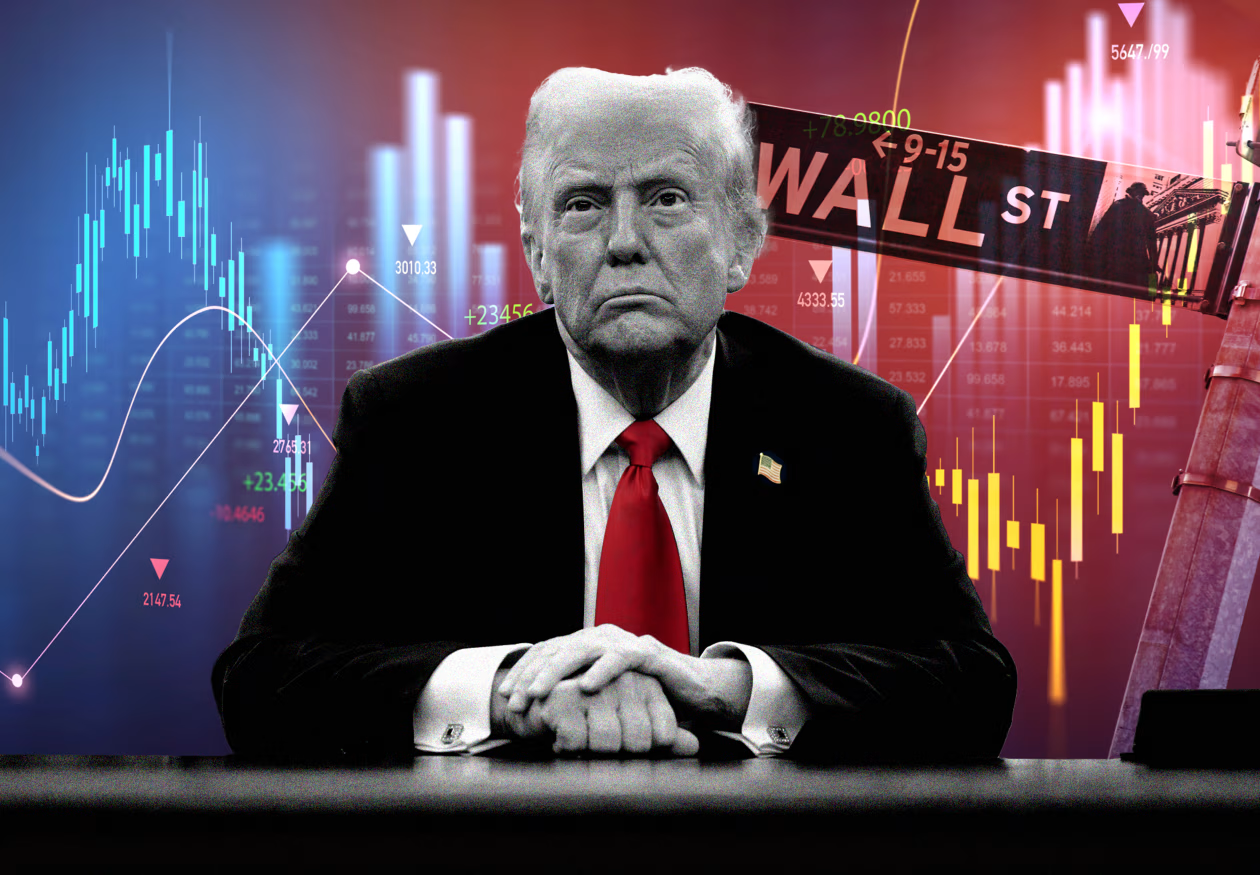
President Trump unveiled tariffs of at least 10% Wednesday on virtually the entire world, with one notable exception: Russia. The intrigue: Press Secretary Karoline Leavitt

Parents face surging kids’ clothing costs—up to 145%—due to 2025 tariff hikes, prompting thrift shopping, swaps, and creative budget strategies.

Consumer prices rose 3% in September, the highest since January, as tariffs and slowing hiring raise fears of looming stagflation.

Starting Oct. 1, Trump will impose steep import tariffs to boost U.S. manufacturing, raising concerns over inflation and drug price hikes.

Consumer confidence fell in September to 94.2 as inflation fears and job market struggles raise recession concerns among Americans.

Mexico, Canada, and Brazil hit Chinese steel with new tariffs as Trump’s levies disrupt trade, fueling regional protectionism and global supply shifts.

Amid rising tariffs, businesses use ‘tariff hacking’—rerouting goods or using intermediaries—to avoid high fees and keep consumer prices lower.

A court ruling on Trump’s tariffs could force the U.S. to refund over $200B to businesses, shaking federal finances and bond markets.

Trump’s new tariff on small imports starts Aug. 29, raising prices on everyday goods and hitting low-income Americans hardest, economists warn.

US businesses face major disruptions as duty-free import rules end, prompting foreign shippers to halt packages and raising costs for global sellers.

US producer prices jumped 3.3% in July, fueling inflation concerns as Trump’s tariffs drive up costs, complicating Fed rate cut plans.

Trump urged Goldman Sachs CEO to fire its economist after a report said Americans may bear 67% of tariff costs by October if trends continue.

Hershey will raise candy prices by low double digits due to surging cocoa costs tied to climate-driven crop issues in Ghana and Ivory Coast.

The Fed’s rate decision, key economic data, and Trump’s tariff deadline make this a pivotal week that could reshape the U.S. economy and markets.

Despite political pressure and internal dissent, economists expect the Fed to hold rates steady in July, raising concerns over its long-term independence.

The 93.5% tariff on Chinese graphite may raise U.S. EV costs, as domestic suppliers can’t yet match the high purity required for battery production.

Trump’s proposed 50% tariff on Brazilian imports like coffee and juice may spike U.S. breakfast costs if no deal is reached by August 1.

Trump ends a decades-old deal with Mexico, adding a 17% tariff on tomatoes and sparking fears of rising food prices for U.S. shoppers and restaurants.

June CPI rose 2.7% year-over-year, driven by gas and core goods, as tariffs begin impacting prices and investors watch inflationary trends.
Trump sets 50-day deadline for Russia peace deal, warns of steep tariffs, and pledges billions in advanced weapons to Ukraine via NATO allies.

Retail sales dropped 0.9% in May as U.S. consumers pulled back after spring’s tariff-driven spending spree, raising concerns about economic slowdown.

US stocks could drop 20% if inflation hits 4% due to rising oil costs and Middle East tensions, RBC strategists warned in a note.

Global markets fell and oil prices spiked after Israeli airstrikes on Iran targeted nuclear and military sites, raising fears of wider conflict.

Trump’s global tariff threats leave S&P 500 forecast flat for 2024, as earnings outlook dims and strategists brace for ongoing trade uncertainty.

Target CEO warns Trump’s tariffs could trigger massive costs and falling sales, as inflation and boycotts pressure consumers and retailer pricing.

Some small business owners say Trump’s 90-day tariff pause with China adds uncertainty, forcing delays in orders, pricing, and expansion plans.
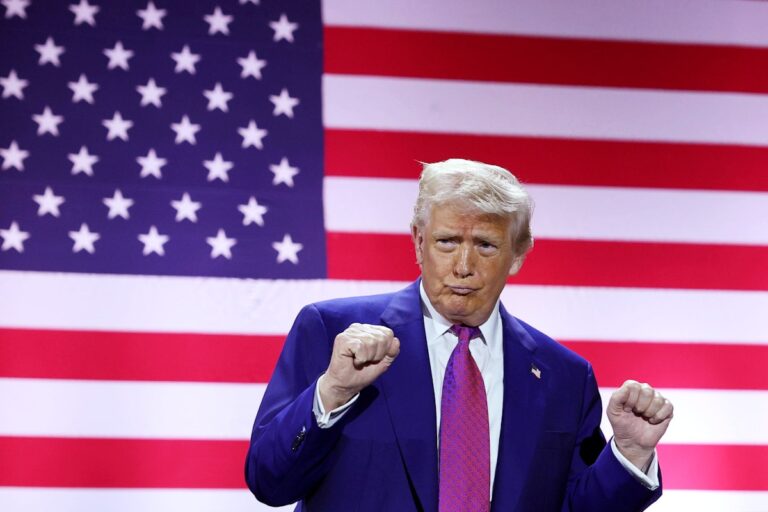
Trump’s China tariffs drop amid global pushback, with nations delaying talks as U.S. pain mounts and leverage shifts away from Washington.
Consumer prices rose 3% in September, the highest since January, as tariffs and slowing hiring raise fears of looming stagflation.
Starting Oct. 1, Trump will impose steep import tariffs to boost U.S. manufacturing, raising concerns over inflation and drug price hikes.
Consumer confidence fell in September to 94.2 as inflation fears and job market struggles raise recession concerns among Americans.
Mexico, Canada, and Brazil hit Chinese steel with new tariffs as Trump’s levies disrupt trade, fueling regional protectionism and global supply shifts.
Amid rising tariffs, businesses use ‘tariff hacking’—rerouting goods or using intermediaries—to avoid high fees and keep consumer prices lower.
A court ruling on Trump’s tariffs could force the U.S. to refund over $200B to businesses, shaking federal finances and bond markets.
Trump’s new tariff on small imports starts Aug. 29, raising prices on everyday goods and hitting low-income Americans hardest, economists warn.
US businesses face major disruptions as duty-free import rules end, prompting foreign shippers to halt packages and raising costs for global sellers.
US producer prices jumped 3.3% in July, fueling inflation concerns as Trump’s tariffs drive up costs, complicating Fed rate cut plans.
Trump urged Goldman Sachs CEO to fire its economist after a report said Americans may bear 67% of tariff costs by October if trends continue.
Hershey will raise candy prices by low double digits due to surging cocoa costs tied to climate-driven crop issues in Ghana and Ivory Coast.
The Fed’s rate decision, key economic data, and Trump’s tariff deadline make this a pivotal week that could reshape the U.S. economy and markets.
Despite political pressure and internal dissent, economists expect the Fed to hold rates steady in July, raising concerns over its long-term independence.
The 93.5% tariff on Chinese graphite may raise U.S. EV costs, as domestic suppliers can’t yet match the high purity required for battery production.
Trump’s proposed 50% tariff on Brazilian imports like coffee and juice may spike U.S. breakfast costs if no deal is reached by August 1.
Trump ends a decades-old deal with Mexico, adding a 17% tariff on tomatoes and sparking fears of rising food prices for U.S. shoppers and restaurants.
June CPI rose 2.7% year-over-year, driven by gas and core goods, as tariffs begin impacting prices and investors watch inflationary trends.
Trump sets 50-day deadline for Russia peace deal, warns of steep tariffs, and pledges billions in advanced weapons to Ukraine via NATO allies.
Retail sales dropped 0.9% in May as U.S. consumers pulled back after spring’s tariff-driven spending spree, raising concerns about economic slowdown.
US stocks could drop 20% if inflation hits 4% due to rising oil costs and Middle East tensions, RBC strategists warned in a note.
Global markets fell and oil prices spiked after Israeli airstrikes on Iran targeted nuclear and military sites, raising fears of wider conflict.
Trump’s global tariff threats leave S&P 500 forecast flat for 2024, as earnings outlook dims and strategists brace for ongoing trade uncertainty.
Target CEO warns Trump’s tariffs could trigger massive costs and falling sales, as inflation and boycotts pressure consumers and retailer pricing.
Some small business owners say Trump’s 90-day tariff pause with China adds uncertainty, forcing delays in orders, pricing, and expansion plans.
Trump’s China tariffs drop amid global pushback, with nations delaying talks as U.S. pain mounts and leverage shifts away from Washington.